Meet our team
Our board brings together leading experts in digital government. They are supported by a small team that runs our programmes and expert instructors who lead our training.
TPSDA Board

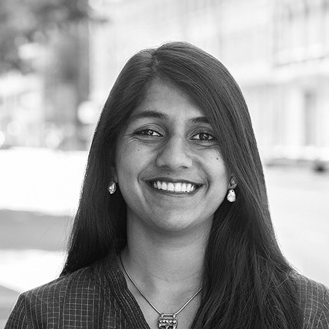
Dr. Amanda Clarke
Carleton University
Read bio
Amanda Clarke is Associate Professor at Carleton University’s School of Public Policy and Administration. Her research examines digital era public administration, public data governance and the political economy of digital government. She is author of Opening the Government of Canada: The Federal Bureaucracy in the Digital Age, a recipient of a Government of Ontario Early Researcher Award and included in Apolitical’s list of the Top 100 Most Influential Academics in Government.

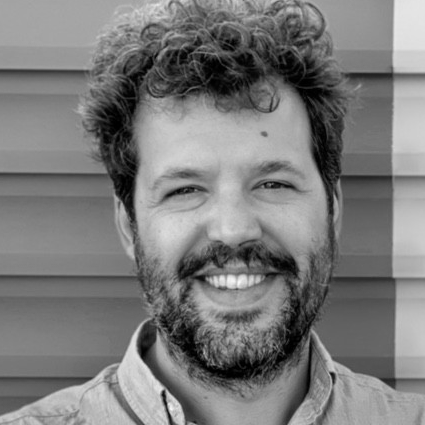
Professor David Eaves
University College London
Read bio
David Eaves is Associate Professor of Digital Government and Co-Deputy Director of the Institute for Innovation and Public Purpose at University College London. David’s courses focus on the governance of digital public infrastructure and the minimum viable knowledge public administrators need on technology to be effective in a digital era. David has helped train numerous cohorts of Code for America fellows, White House Presidential Innovation Fellows and Code for Canada Fellows. He was also co-founder and CEO of ReCollect, a software company used by hundreds of municipalities to help encourage recycling. He is a co-founder of Teaching Public Service in a Digital Age.
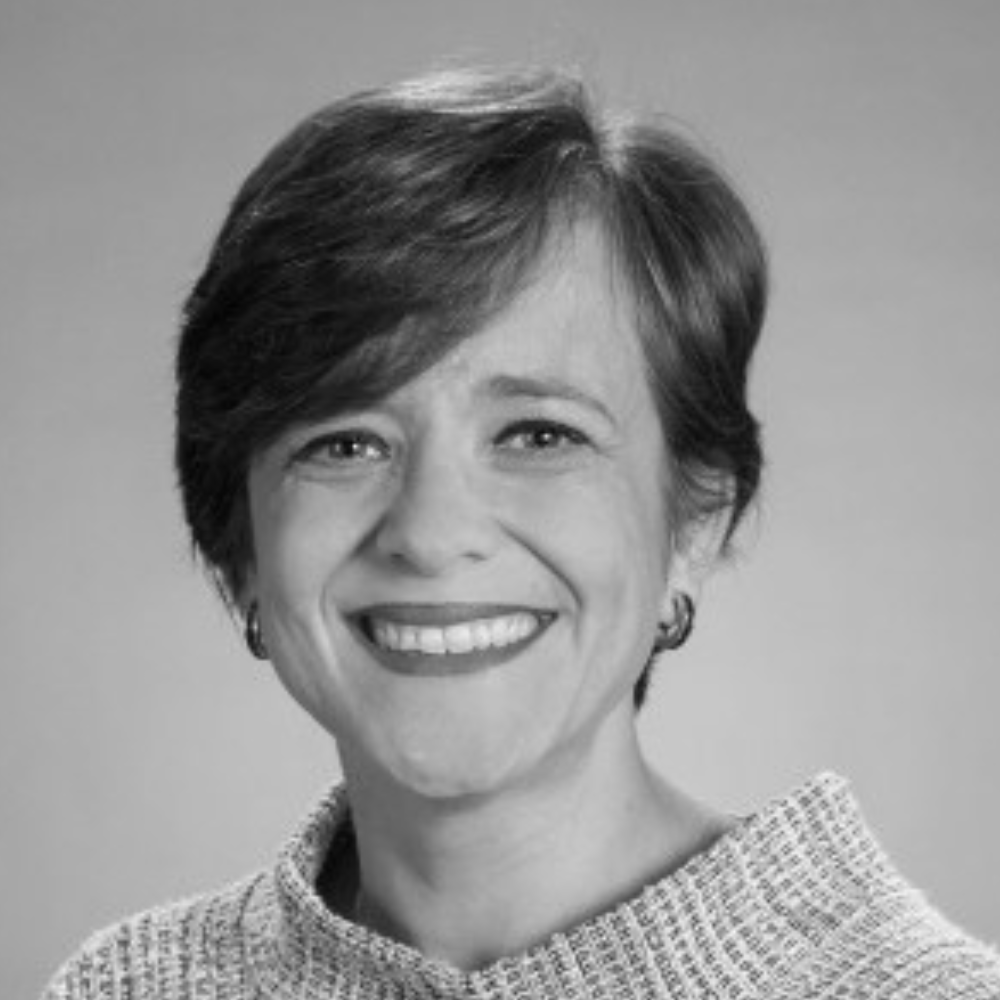
Dr Mila Gascó-Hernández
University at Albany – SUNY
Read bio
Mila Gasco-Hernandez holds an MBA and a PhD in public policy evaluation. She is the Research Director at the Center for Technology in Government as well as a Professor at the Rockefeller College of Public Affairs and Policy, both at the University at Albany – SUNY. Recently she has also been appointed Interim Associate Director of the new University at Albany’s AI & Society College. Before joining SUNY, Dr. Gasco-Hernandez served as a senior researcher at the Institute of Governance and Public Management (currently known as ESADEgov - Center for Public Governance) and the Institute of Innovation and Knowledge Management, both at ESADE Business & Law School in Spain.
The main general research question at the center of Dr. Gasco-Hernandez’s research agenda is: why and how does technology-driven innovation happen in the public sector? Most of her research in the last six years has focused on the topics of open government, public sector innovation, smart cities and communities, and artificial intelligence in government, which she has addressed using a comparative and international approach. In these areas, she has published six books, more than 50 peer-reviewed articles, 19 peer-reviewed book chapters, and more than 60 peer-reviewed conference papers. She has been invited to deliver more than 80 keynotes worldwide and has been awarded more than 15 grants in external funding competitive calls and more than 25 consultancy/applied research projects. She is part of the Stanford University Top 2% Scientists ranking.
Dr. Gasco-Hernandez has also considerable consulting experience. In this respect, she has worked for a wide variety of organizations worldwide such as the United Nations Development Program, the Spanish Agency for International Development Cooperation, the International Institute for Democracy and Electoral Assistance, the Latin American Centre on Management for Development, the World e-Governments Organization of Cities and Local Governments, the Inter-American Development Bank, and Google.
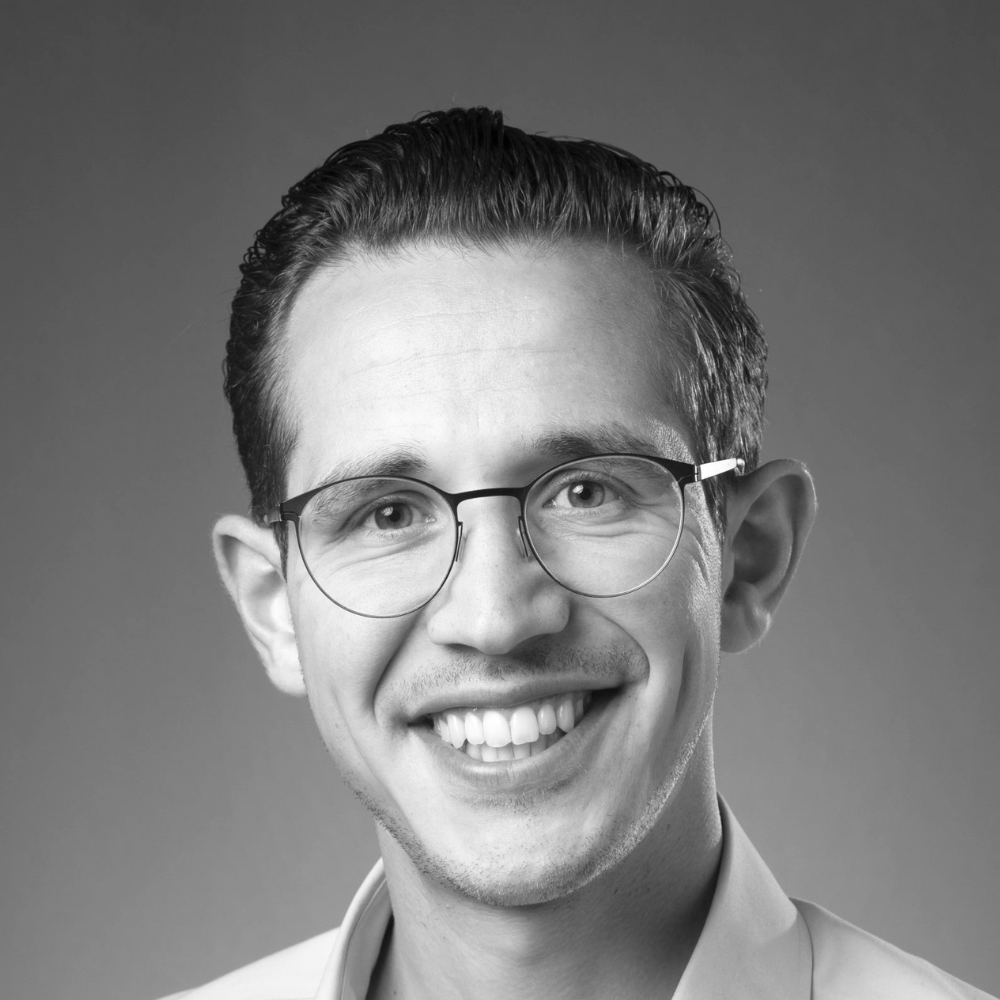
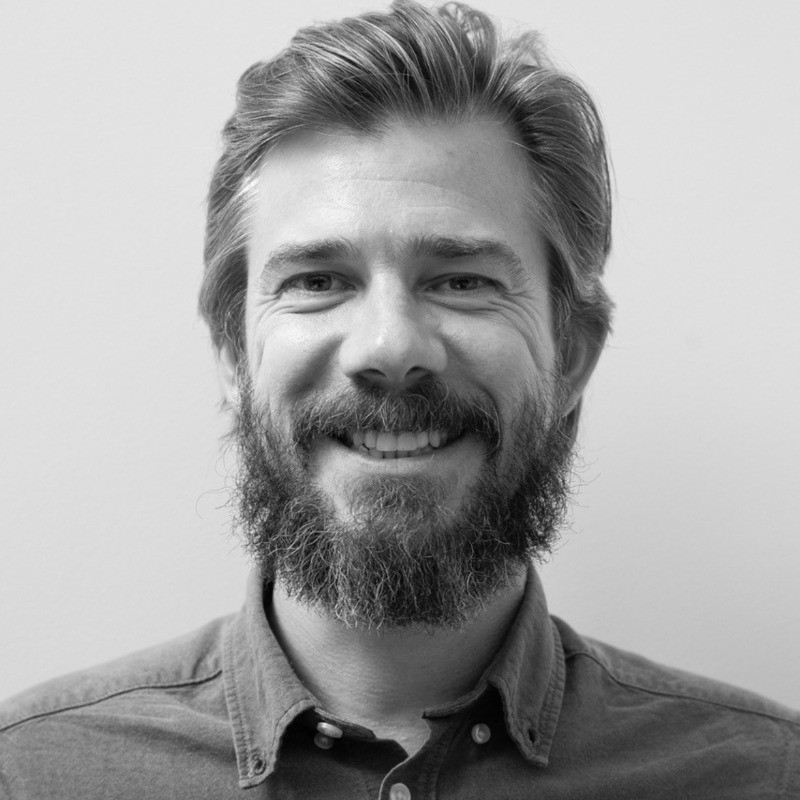
Florian Keppeler
Aarhus University
Read bio
Florian Keppeler (florian-keppeler.com) is Associate Professor at the Department of Political Science, Aarhus University (Denmark) and works at the King Frederik Center for Public Leadership. He is also an affiliated scholar at The People Lab, Harvard Kennedy School. Much of his work focuses on the people who deliver public services: how to attract them, how to support them, and how AI can help public managers make better decisions. He co-designs studies with government partners to ensure that research is useful to practitioners and adopted at scale. His research uses large-scale field experiments and causal inference methods. It focuses on the following topics:
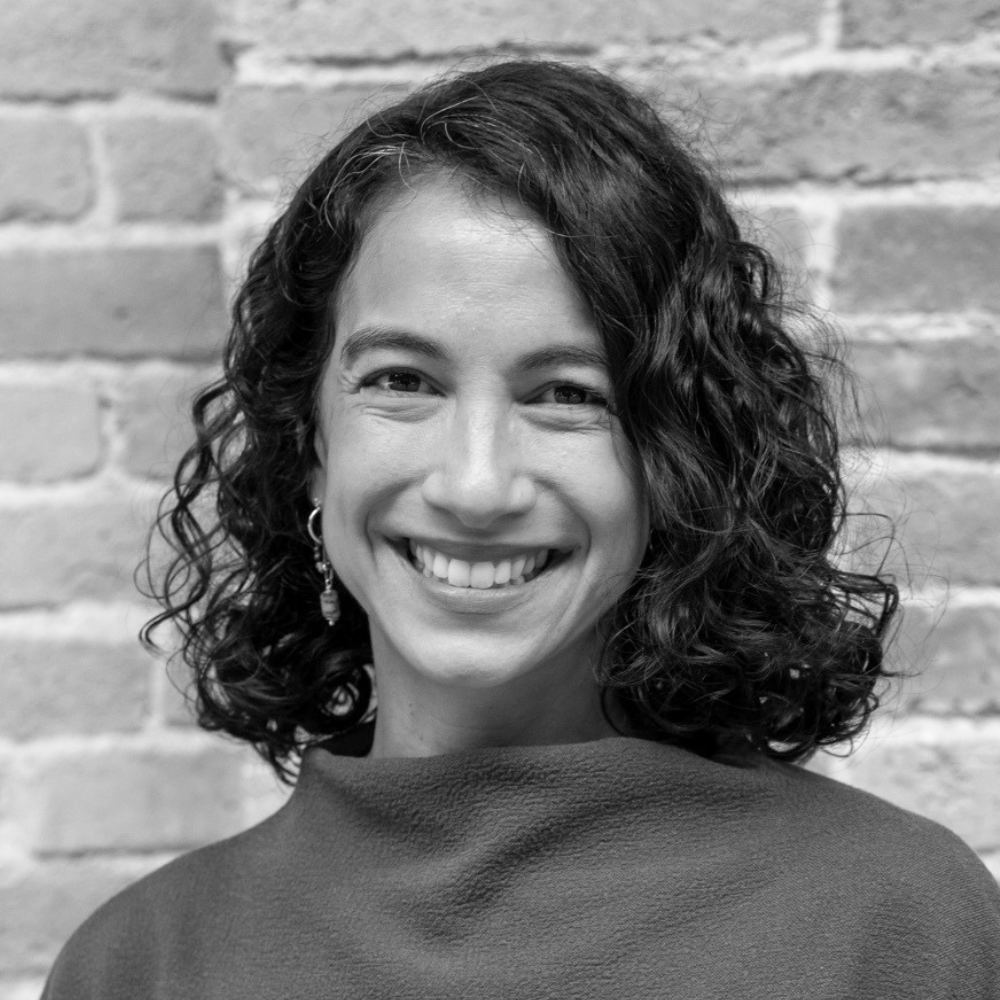
Manoela Vilela Araújo Resende
Brazilian Institute of Education, Development and Research
Read bio
Manoela Vilela Araújo Resende holds a PhD in Education from the University of Coimbra (Portugal), a Master’s degree in Public Policy and Development from the Institute of Applied Economic Research (Ipea), and a Bachelor’s degree in International Relations from the University of Brasília (Brazil).
A federal public servant, she spent 11 years at Brazil’s Ministry of Education leading evaluation, innovation, and large-scale education programs. She currently coordinates the national research agenda in education policy at Ipea, a federal government think tank.
Her work centers on digital transformation in government, evidence-informed policymaking, and digital public infrastructure. She has contributed to national digital government initiatives, including a partnership between Brazil’s Secretariat for Digital Government and University College London (UCL) to train 1,000 federal civil servants in digital transformation. She also coordinates the Master of Public Administration program at the Brazilian Institute of Education, Development and Research (IDP) in Brasília, the largest MPA program among private institutions in Brazil.